

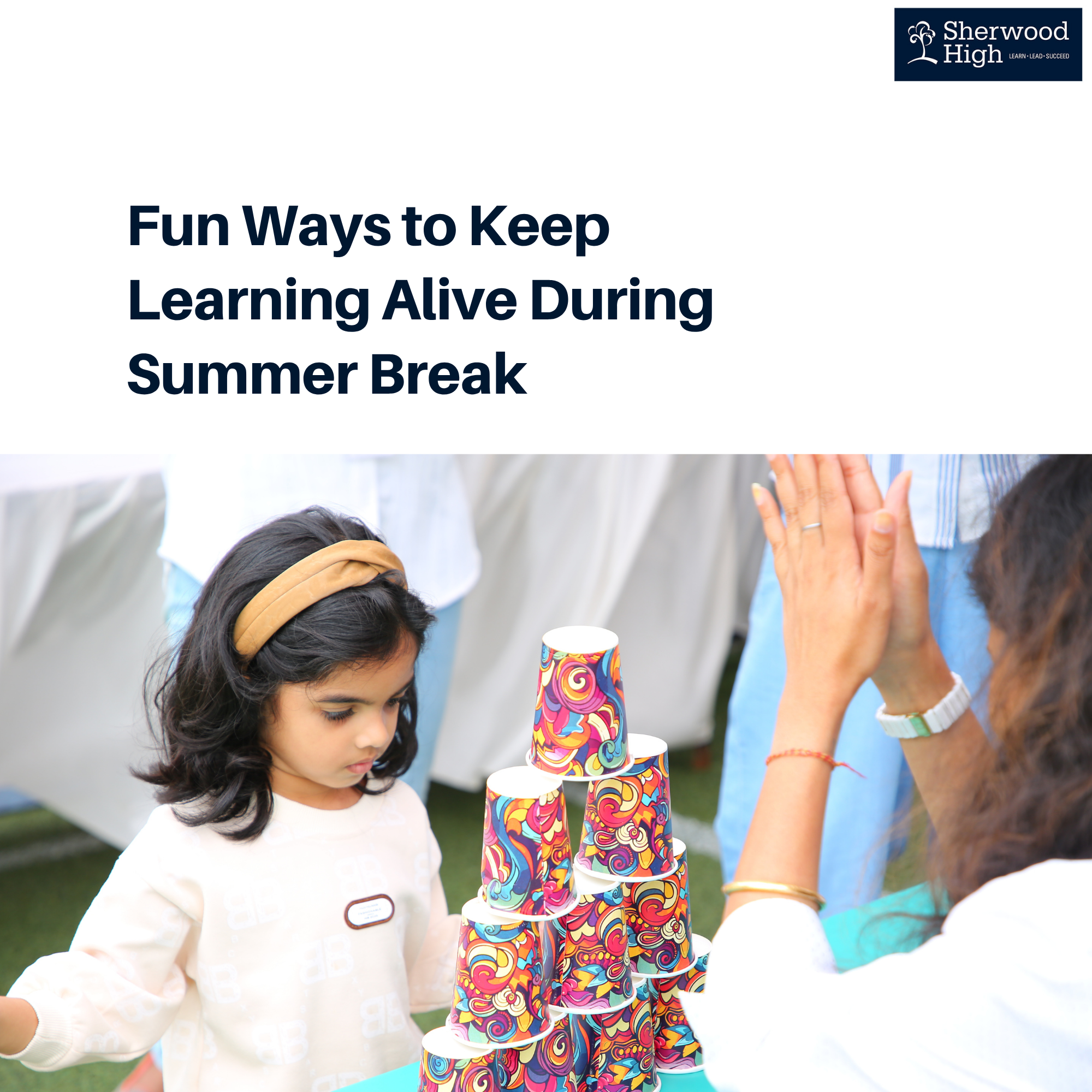
Fun Ways to Keep Learning Alive During Summer Break
Summer break often feels like a pause in learning. It’s a time to put books aside and take a break from lessons. While resting is important, learning can still continue. In fact, summer might be the best time to learn when curiosity leads the way and pressure fades.
Here are some fun ways to keep the learning spirit alive during summer without it feeling like school.
- Turn Reading into an Adventure
Instead of textbooks, encourage kids to dive into storybooks, comics, magazines, or short biographies. Let them pick what they read. A mystery novel, a fantasy series, or even a graphic novel can quietly boost vocabulary, imagination, and empathy. A simple idea is to create a summer reading challenge based on enjoyment, not grades. A short reflection, a favourite quote, or a drawing inspired by the book is plenty.
- Learn Through Everyday Conversations
Learning doesn’t always require notebooks. Family conversations can be powerful teachers. Discuss why the sky changes colour at sunset. How a news story impacts daily life. The meaning behind a proverb or idiom. These casual talks sharpen thinking, listening, and expression, especially language skills.
- Travel, Even If It’s Just Nearby
Visiting a grandparent’s house, a local museum, a park, or a historical site can turn into a lesson in culture, geography, history, and social values. Encourage kids to observe, ask questions, and maybe write a short paragraph or diary entry about the experience. Experiential learning lasts longer than memorization.
- Make Writing Creative, Not Compulsory
Summer is the perfect time to let writing be free of rules. Kids can:
- Keep a daily journal.
- Write letters or emails to relatives.
- Create short stories or poems.
- Rewrite endings of their favourite stories.
This helps build confidence in language without the fear of being judged.
- Use Games as Learning Tools
Board games, puzzles, word games, and quizzes can quietly develop logic, vocabulary, problem-solving, and teamwork. Games like Scrabble, Sudoku, crossword puzzles, and storytelling games can make learning feel effortless.
- Encourage Learning Through Hobbies
Music, drawing, cooking, gardening, photography, or learning a new sport teach discipline, creativity, patience, and skill. A child learning to cook also learns about measurements, following instructions, and responsibility. Every hobby has hidden lessons.
- Introduce Digital Learning – Mindfully
Use educational videos, audiobooks, podcasts, and language-learning apps in moderation. The key is to find balance. When used wisely, digital tools can spark curiosity and expose learners to ideas beyond the classroom.
- Reflect, Not Revise
Instead of going over entire syllabi, encourage kids to reflect:
- What did I enjoy learning this year?
- What was difficult and why?
- What would I like to learn next?
Reflection builds self-awareness and a love for learning that continues beyond exams.
Another meaningful way to keep learning alive during the summer is by encouraging curiosity-driven exploration. When children are given the freedom to ask questions and seek their own answers, learning becomes deeply personal and engaging. Whether it’s wondering how plants grow, why certain animals behave the way they do, or how everyday objects function, these small sparks of curiosity can lead to meaningful discoveries. Allowing children to explore these interests through simple experiments, observations, or guided research helps them develop independence and a genuine love for learning.
Summer also offers the perfect opportunity to build life skills that often go unnoticed within structured classroom settings. Simple responsibilities such as organizing their space, helping with household tasks, planning a small activity, or managing their time encourage a sense of ownership and discipline. These experiences teach children valuable lessons in responsibility, problem-solving, and decision-making. Over time, they begin to understand that learning is not confined to academic subjects but is a continuous process that shapes how they navigate everyday life.
Equally important is allowing children the space to pause, reflect, and simply be. In a fast-paced academic year, children are often moving from one task to another with little time to process their experiences. Summer creates room for slower thinking – moments where children can sit with their thoughts, revisit what they have learned, and make connections in their own time. This balance between activity and reflection nurtures emotional well-being, strengthens self-awareness, and ensures that learning remains joyful rather than overwhelming.
Conclusion
Summer break isn’t about stopping learning; it’s about changing how it happens. When learning is enjoyable, flexible, and connected to real life, kids return to school refreshed, confident, and curious.After all, learning isn’t limited to classrooms. It exists in stories, conversations, experiences, and everyday moments, especially during summer.