

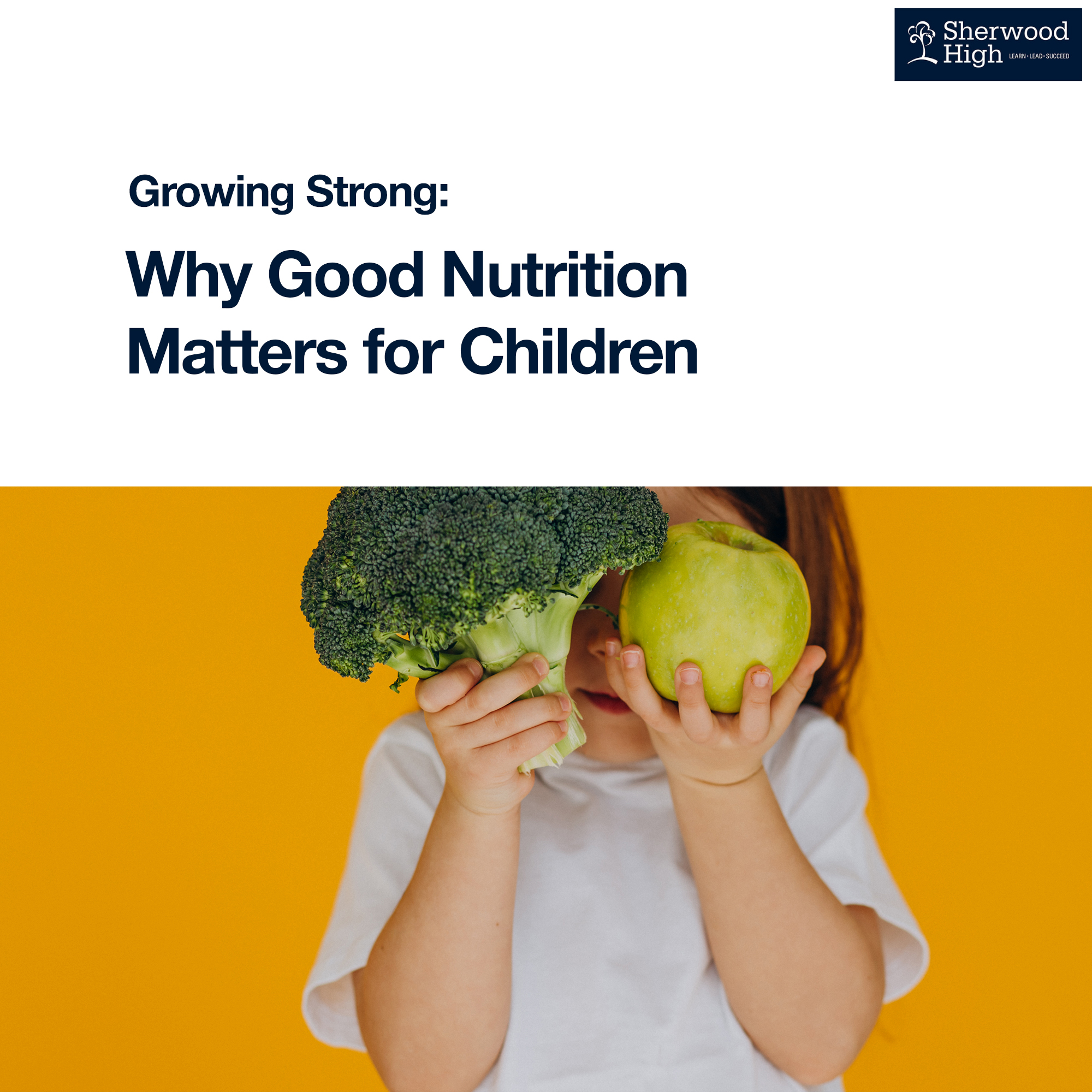
Growing Strong: Why Good Nutrition Matters for Children
Childhood is a period of remarkable growth. Bodies are developing, brains are making new connections, and children are constantly learning, playing, exploring, and discovering.
Behind all of this activity is something fundamental: nutrition.
The food children eat does much more than satisfy hunger. Good nutrition provides the energy and nutrients their bodies need to grow, concentrate, stay active, build immunity, and support overall wellbeing.
Fuel for Growing Bodies
Children need a balanced combination of nutrients as they grow.
Proteins support growth and tissue repair. Carbohydrates provide energy. Healthy fats play an important role in development, while vitamins and minerals support everything from bones and immunity to normal body functions.
Rather than focusing on one particular “healthy food”, children benefit from learning about balance and variety.
Fruits, vegetables, whole grains, protein-rich foods, dairy or suitable alternatives, and adequate water can all form part of a balanced diet.
Nutrition and Learning Go Together
The connection between nutrition and the classroom is important.
A school day requires children to concentrate, remember information, participate in activities, solve problems, and remain physically and mentally engaged for several hours.
Regular, balanced meals help provide the energy children need throughout their day. Breakfast, nutritious snacks, sufficient hydration, and balanced lunches can all contribute to maintaining energy and attention.
In this sense, nourishing the body also supports a child’s readiness to learn.
Building Immunity and Wellbeing
Nutrition also contributes to normal immune function and overall health.
A varied diet provides nutrients that support the body’s natural systems. Combined with physical activity, adequate sleep, hydration, and healthy routines, good nutrition becomes one part of a much broader approach to children’s wellbeing.
Teaching children this connection early helps them understand that health is shaped by everyday choices.
Building a Healthy Relationship With Food
Healthy nutrition education should not make children anxious about food.
Instead of labelling foods simply as “good” or “bad”, we can teach children about balance, portions, variety, and moderation.
Food is also connected to family, culture, celebration, and enjoyment. Helping children appreciate these dimensions while understanding nutritional needs can encourage a healthier relationship with eating.
Children can also become involved in simple decisions: choosing colourful fruits and vegetables, helping prepare meals, reading age-appropriate food labels, growing herbs, or packing parts of their own lunchbox.
Participation turns nutrition from an instruction into something they understand.
Healthy Habits Begin Early
Habits formed during childhood can influence choices later in life. That makes the early years an important time to introduce children to balanced eating—not through restriction, but through awareness and consistency.
Parents and schools both have an important role to play. When children see adults making balanced choices and when healthy options are made accessible, those behaviours gradually become familiar.
At Sherwood High, we believe education extends beyond academics. Helping students understand their physical and emotional wellbeing equips them to make informed choices for themselves.
Because when we nourish growing bodies, encourage active minds, and build healthy habits early, we are doing more than preparing children for another school day.
We are helping them build foundations for life