

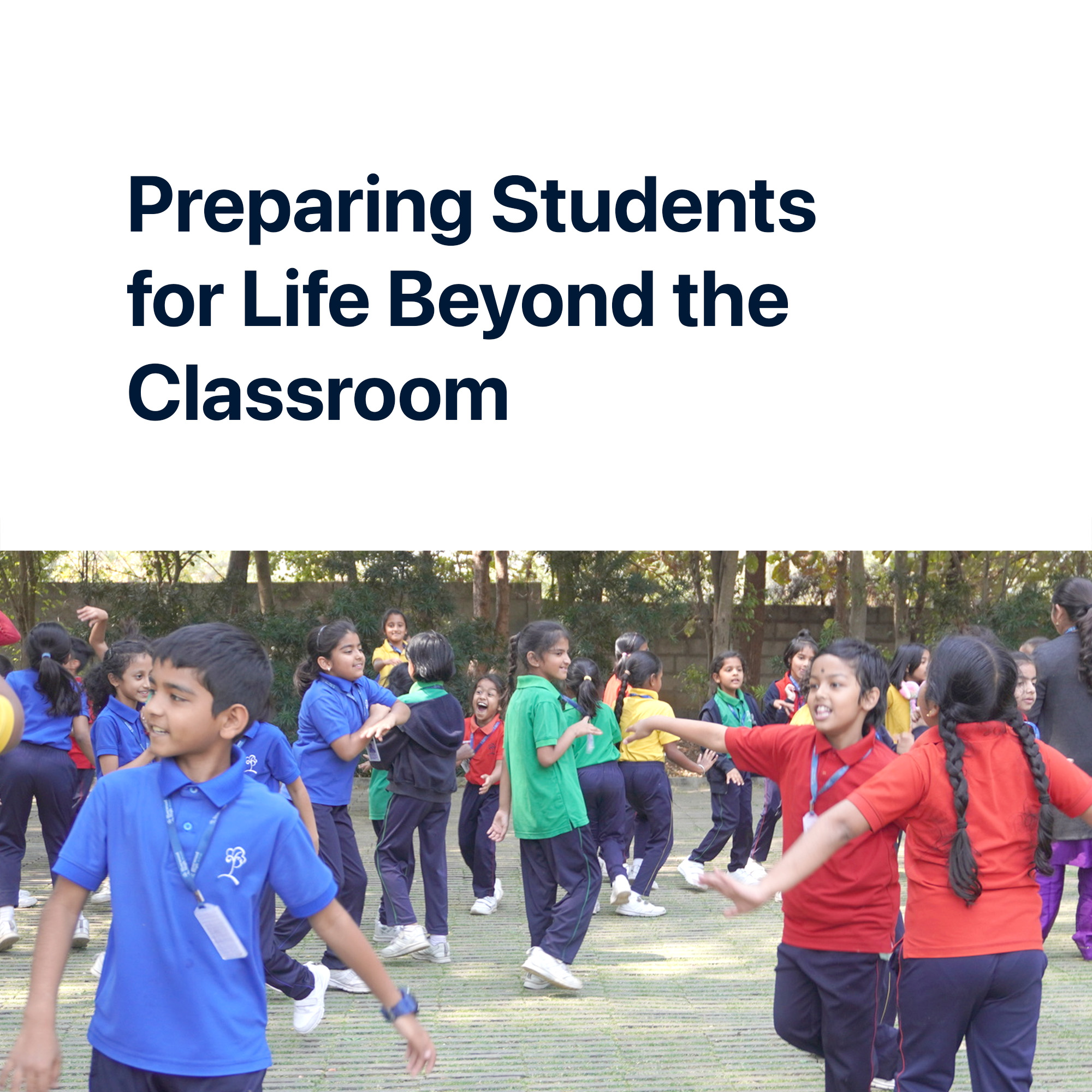
Preparing Students for Life Beyond the Classroom
Education is often measured by grades, assessments, and achievements within the classroom, but its true purpose reaches far beyond those walls. The world students eventually step into is complex, dynamic, and ever-changing, and preparing them for that world requires more than academic knowledge alone. At Sherwood High, we believe that education should equip students not just to succeed in examinations, but to navigate life with confidence, resilience, and a strong sense of self.
Life beyond the classroom calls for independence. Students must learn how to manage their time, care for their well-being, make responsible decisions, and adapt to new situations. Practical life skills such as financial awareness, digital responsibility, self-care, and organisation play a quiet yet powerful role in shaping capable individuals. When students understand how to balance responsibilities and manage everyday challenges, they develop confidence rooted in self-reliance rather than pressure.
Alongside these skills, emotional intelligence forms the heart of holistic development. Learning to recognise one’s emotions, respond thoughtfully, empathise with others, and make responsible choices allows students to build meaningful relationships and face challenges with composure. These qualities do not emerge overnight; they are nurtured through guidance, reflection, and experience. A school environment that values emotional growth helps students understand themselves better and approach the world with maturity and compassion.
Equally essential is the ability to think deeply and creatively. Beyond memorising information, students must learn how to question, analyse, and problem-solve. Critical thinking and creativity allow learners to adapt to unfamiliar situations and approach challenges with flexibility. When students are encouraged to explore ideas, reflect on outcomes, and think independently, learning becomes a tool they can carry into every aspect of life.
Communication and collaboration further shape how students engage with the world. Whether through group projects, discussions, sports, or creative pursuits, students learn how to listen actively, express ideas clearly, and work alongside others with respect. These experiences help them appreciate diverse perspectives and understand the value of teamwork. Confidence in communication gives students the courage to share their ideas and the humility to learn from others.
Exposure to different cultures, ideas, and perspectives also broadens a student’s understanding of the world. Through literature, arts, and global learning experiences, students gain insight into lives beyond their own. This awareness fosters empathy, curiosity, and respect – qualities that are essential in an increasingly interconnected society. Understanding diversity helps students engage thoughtfully with the world and recognise their role within it.
Experiential learning plays a vital role in bringing education to life. Hands-on projects, community engagement, outdoor learning, and real-world experiences allow students to see the relevance of what they learn. These moments transform knowledge into understanding and effort into purpose. When students experience learning beyond textbooks, curiosity deepens and motivation grows naturally.
Guidance and mentorship further support students as they begin to imagine their future paths. Exposure to different careers and real-world role models helps students reflect on their interests, strengths, and aspirations. These experiences encourage informed decision-making and reduce the uncertainty often associated with the future. Rather than feeling overwhelmed, students begin to see possibilities with clarity and confidence.
Technology, when used thoughtfully, becomes an ally in this journey. Digital tools support creativity, collaboration, and exploration while teaching responsibility and ethical use. Learning to navigate digital spaces wisely prepares students to participate confidently in both academic and professional environments.
Reflection ties all these experiences together. When students are encouraged to pause, think about their learning, and recognise their growth, they develop self-awareness and resilience. Reflection teaches them that mistakes are not setbacks, but opportunities to learn and improve. This mindset prepares them to face future challenges with perseverance rather than fear.
The partnership between school and family strengthens this preparation even further. When parents and educators work together, students benefit from consistent guidance and support. This shared commitment creates a secure foundation that allows students to grow with confidence, knowing they are supported at every step.
At Sherwood High, preparing students for life beyond the classroom means nurturing the whole individual. By blending academic learning with life skills, emotional intelligence, creativity, and real-world experiences, we aim to develop students who are thoughtful, adaptable, and ready to engage with the world around them.
Because education is not only about what students achieve today, but about who they become tomorrow. And when students are guided with care, purpose, and vision, they step beyond the classroom prepared not just to succeed – but to thrive.