

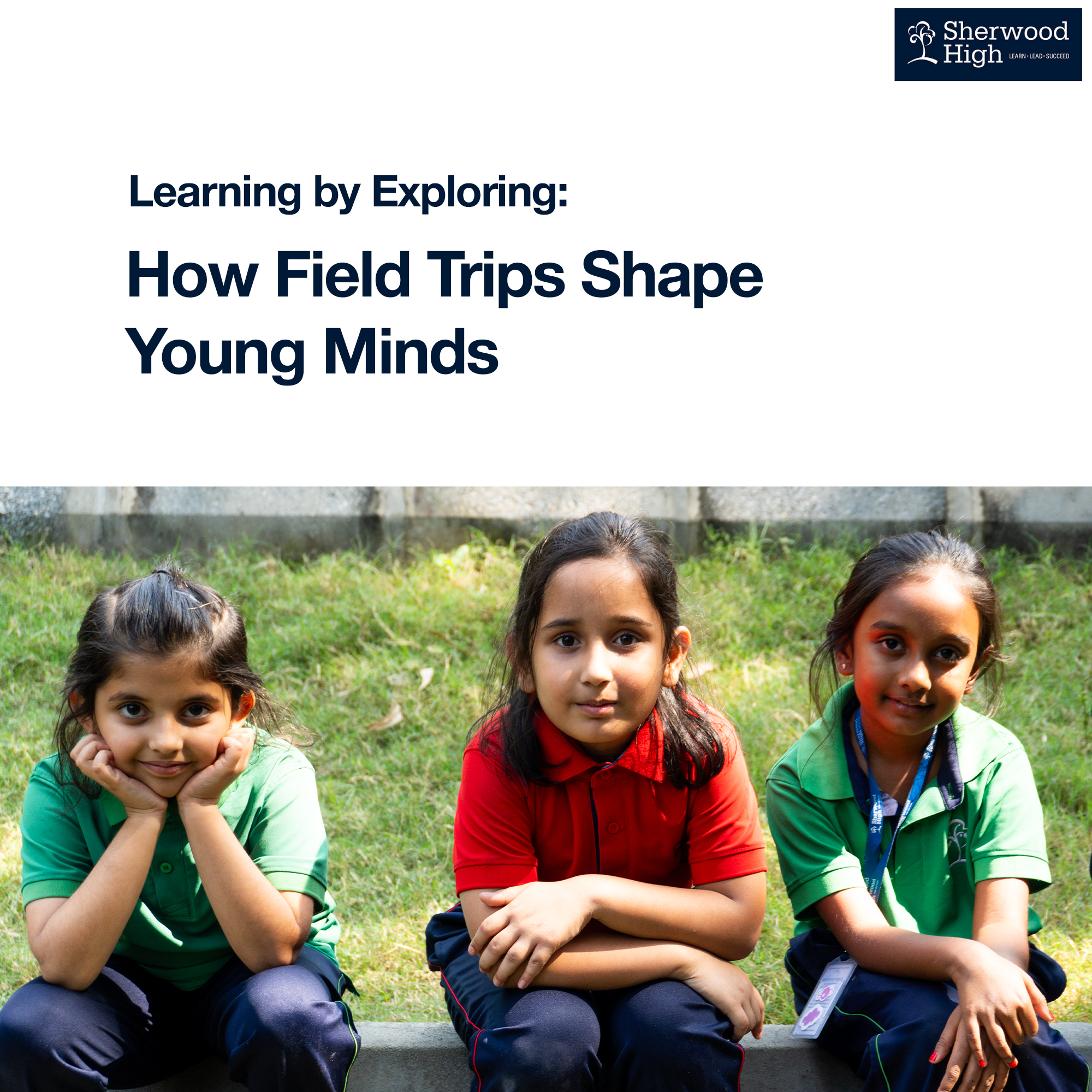
Learning by Exploring: How Field Trips Shape Young Minds
The most effective way of imparting not only educational knowledge but also providing real-world experiences is by offering students enriching experiences. It is not uncommon for schools and colleges to take students on educational field trips to help them relate classroom knowledge to real-life experiences. Instead of reading and listening to lectures, students get a chance to see and experience new things. For instance, students who study history can better relate to history by visiting museums, monuments, and other historical places. On the other hand, students who study biology can gain a better understanding of the subject by visiting botanical gardens, zoos, and nature reserves.
These experiences enable students to see how the theoretical aspects of their studies manifest themselves in real-life. Educational field trips are also important because they enable students to develop social skills. Students get a chance to travel and interact with each other, which helps them to learn how to work together as a team. Educational field trips also make learning more interesting and exciting for children. Attending classes in a class can be monotonous, especially when students are required to sit for long periods of time listening to lectures and taking notes.
Another advantage of field trips is that they enable students to develop observation and critical-thinking skills. Students get a chance to observe their surroundings first-hand and come up with their own conclusions. Instead of being fed information by their teachers, students can seek information on their own. A change of scenery can also help to refresh students’ minds.
Educational field trips offer a chance for students to unwind while at the same time gaining new knowledge and experiencing new things. Students can get a much-needed break from the drudgery of sitting in class and at the same time learn new things. The change of environment can help to break the monotony of the usual class schedule. An educational field trip can help students to feel refreshed while at the same time enabling them to continue learning in a more enjoyable environment.
Field trips expose students to new environments, which can help to stimulate their creativity. Being in a new environment can enable students to think from a different point of view, which can help them to develop new ideas and perspectives on life. Unlike the usual class setting, a field trip can be a new and exciting experience for students, which can help them to store the new information in their long-term memory. This is because the experiences gained during field trips are usually more personal and interesting compared to the usual class lessons.
Educational field trips can also help students to gain a better understanding of other cultures and lifestyles. By interacting with people in different environments, students can get a better understanding of how other people live their lives. This can help them to broaden their horizons and develop tolerance for people from different cultures and lifestyles.
Another advantage of educational field trips is that they can help students to identify their areas of interest and potential career options. By visiting different places such as industries, universities, research stations, and museums, students can get an insight into different careers. This can help them to make more informed decisions regarding their future careers.
Educational field trips can also help students to become more responsible and independent. Students are forced to act responsibly and follow instructions while on a field trip. They also have to take care of their personal belongings while at the same time adhering to the rules of conduct in the particular place they are visiting. Teachers can get a better opportunity to interact with their students in a more relaxed environment. This can help them to develop a better relationship with their students, which can be beneficial in the long run. Teachers can also get a chance to understand their students’ needs and abilities better. By visiting places such as parks, historical monuments, industries, museums, and different communities, teachers can get a better understanding of their environment. This can help them to develop a sense of responsibility and appreciation for the environment, which can ultimately help them to become better students.
It is evident that field trips are much more than just fun activities. They are important for educational purposes because they enable students to gain new knowledge and experiences. By making the learning process more interesting and exciting, field trips help students to develop academic knowledge as well as important life skills.